What Size Solar Generator Is Best for Your RV or Camper?
Choosing the appropriate solar generator for your RV or camper may increase comfort and energy independence while on the road. However, selecting the incorrect size may result in short runtimes or excess weight. Your power requirements are determined by the appliances you use, the length of your trip, and whether you camp with connections or off the grid. Battery capacity, inverter output, and solar charging speed are all factors that impact performance. Before making a purchase, you should determine your real energy requirement. This post discusses how to choose the appropriate solar generator size for your RV lifestyle and use habits.
How Much Power Does Your RV or Camper Actually Need?
List Common RV Appliances and Their Running Wattage
Make a list of the appliances you use in your camper or RV. Refrigerators, LED lights, water pumps, fans, computers, and coffee machines are all common gadgets. The label or handbook for each appliance will tell you how many watts it uses when it's running. Most small gadgets use less than 100 watts; however, microwaves and air conditioners may use more than 1,000 watts. Knowing the exact wattage helps you figure out how much electricity you need. Don't guess. For exact measurements, check the manufacturer's specs or use a watt meter. Clear data makes sure you choose a generator that can meet your everyday travel demands.
Calculate Daily Energy Consumption in Watt-Hours
Once you know the wattage of each device, calculate how many hours you use it each day. To compute watt-hours for each device, multiply the wattage by the number of hours. Add the totals to calculate your daily energy use. For example, a 100-watt item operated for five hours uses 500 watt-hours. Repeat the process for each appliance. The final value indicates how much battery capacity you require each day. Accurate estimates avoid undersizing and decrease the likelihood of power outages during journeys. Understanding daily usage allows you to match generator size with actual travel preferences.
Factor in Surge Watts for Air Conditioners and Microwaves
Some RV gadgets demand more electricity at startup. Air conditioners and microwaves frequently consume more surge watts than their operating loads. Startup demand might be two or three times the average operating watts. If your generator can't withstand the surge, it may shut down. Before picking a system, check the operating and surge ratings. Always check that the inverter's surge capacity exceeds the appliance's needs. Accounting for startup spikes increases dependability and minimises unexpected disruptions while running high-demand equipment while camping or on extended trips.
What Size Solar Generator Matches Your RV Lifestyle?
Small Solar Generators for Weekend Camping
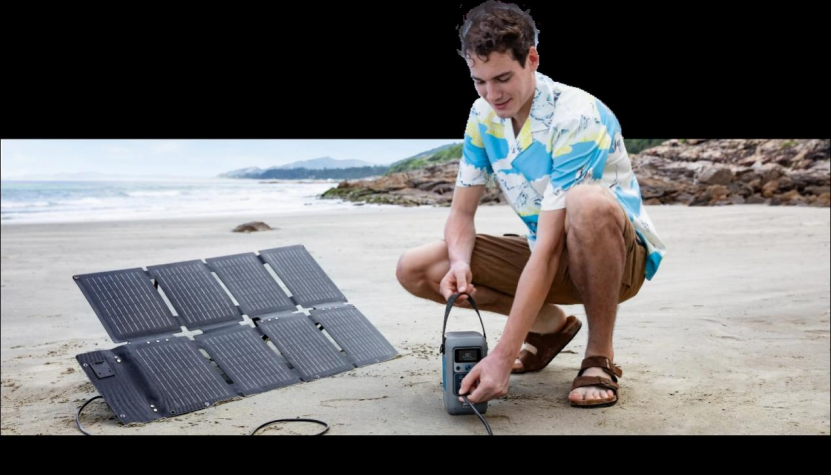
Small solar generators generally have 300 to 1,000 watt-hours of battery capacity. They are ideal for short weekend travels with modest power requirements. You can simply charge phones, computers, cameras, and tiny fans. These tiny devices are light and easy to store. However, they are unable to sustain high-demand equipment like air conditioners and huge microwaves. If your camping style emphasises energy conservation, a tiny generator gives adequate assistance without adding unnecessary weight to your vehicle.
Mid-Size Systems for Boondocking and Van Life
Mid-size solar generators produce 1,000 to 3,000 watt-hours. They can handle longer journeys and mild appliance use. Many van lifers rely on these systems for refrigerators, lighting, computers, and the rare microwave. With proper management, they can meet the majority of everyday demands. These devices strike a compromise between storage capacity and mobility. They may also provide expanded battery choices. If you routinely boondock or go off-grid for several days, a mid-size system provides steady performance without adding unnecessary bulk.
Large Solar Generators for Full-Time RV Living
Large solar generator systems provide 3,000 watt-hours or more and feature higher inverter output. Full-time RV travellers frequently require this solar generator capacity to power numerous appliances. These systems can power fridges, microwaves, coffee machines, and certain air conditioners. They provide longer runtime and more flexibility. However, a large solar generator weighs more and needs additional storage space. If you live on the road all year, a suitably sized solar generator increases energy security and decreases your dependency on campsite hookups.
What Other Factors Should You Consider Before Buying?
Inverter Output, 120V vs. 240V, and AC Compatibility
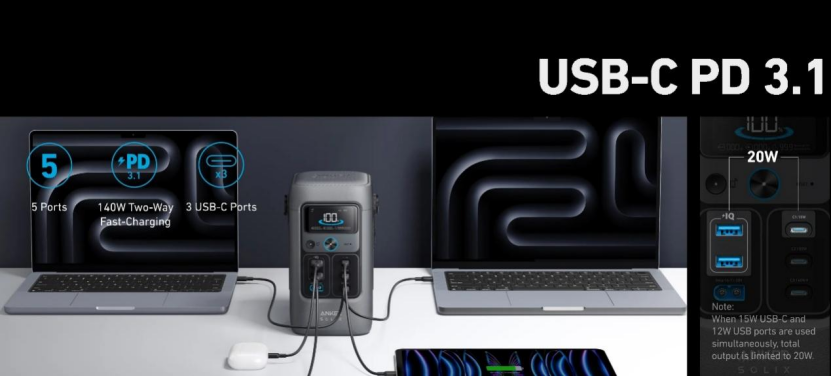
The inverter decides which appliances you may safely use. Most RV equipment operates on 120 volts, but bigger systems may require 240 volts. Before connecting equipment, make sure the voltages are compatible. The continuous inverter output must surpass your maximum combined operating load. Surge ratings must withstand starting surges. Proper inverter size avoids overload and protects electronics. Confirm AC outlet types and total port availability. Selecting the appropriate inverter provides consistent power delivery and appliance compatibility within your RV.
Solar Panel Input Limits and Charging Speed
The solar input capacity has an impact on the generator's rate of recharging. In direct sunshine, a higher input wattage enables quicker charging. Verify panel compatibility and the maximum solar input restrictions. If you frequently camp off the grid, quicker charging increases dependability. To estimate recharge time, find the average number of hours of sunlight in your area. Long periods of downtime might result from inadequate input capacity. Balanced performance and effective energy recovery during travel are ensured by matching panel size to battery capacity.
Expandability, Weight, and Storage Space in Your RV
Modules for expandable batteries provide you with the ability to enhance capacity at a later time. Your investment is safeguarded by this flexibility as your energy requirements increase. Greater batteries, on the other hand, necessitate greater storage space and increase weight. Consider your RV’s cargo limits before choosing a large system. Moving around is made easier, and installation is made simpler by compact designs. Examine the many alternatives for positioning, ventilation, and the design of the handle. It is important to choose a generator that is compatible with the arrangement of your storage space so that it can be transported safely and easily on journeys.
Conclusion
Choosing the solar generator size that is most suitable for your recreational vehicle or camper involves considerable preparation. Accurately calculate the daily energy consumption and take into account the surge requirements. Adapt the capacity of your battery and the output of your inverter to your travel lifestyle. Before making a purchase, it is important to consider the charging speed, expandability, and storage limitations. Choosing the appropriate size allows you to get electricity that is dependable and clean, which enables you to have RV trips that are both pleasant and independent.